Reframing a Category Around the Real Customer Anxiety
Took Amazon Ring from zero brand awareness to category standout; building the full go-to-market strategy, campaign architecture, and channel mix for a market new to smart home security. 254% engagement lift at launch.
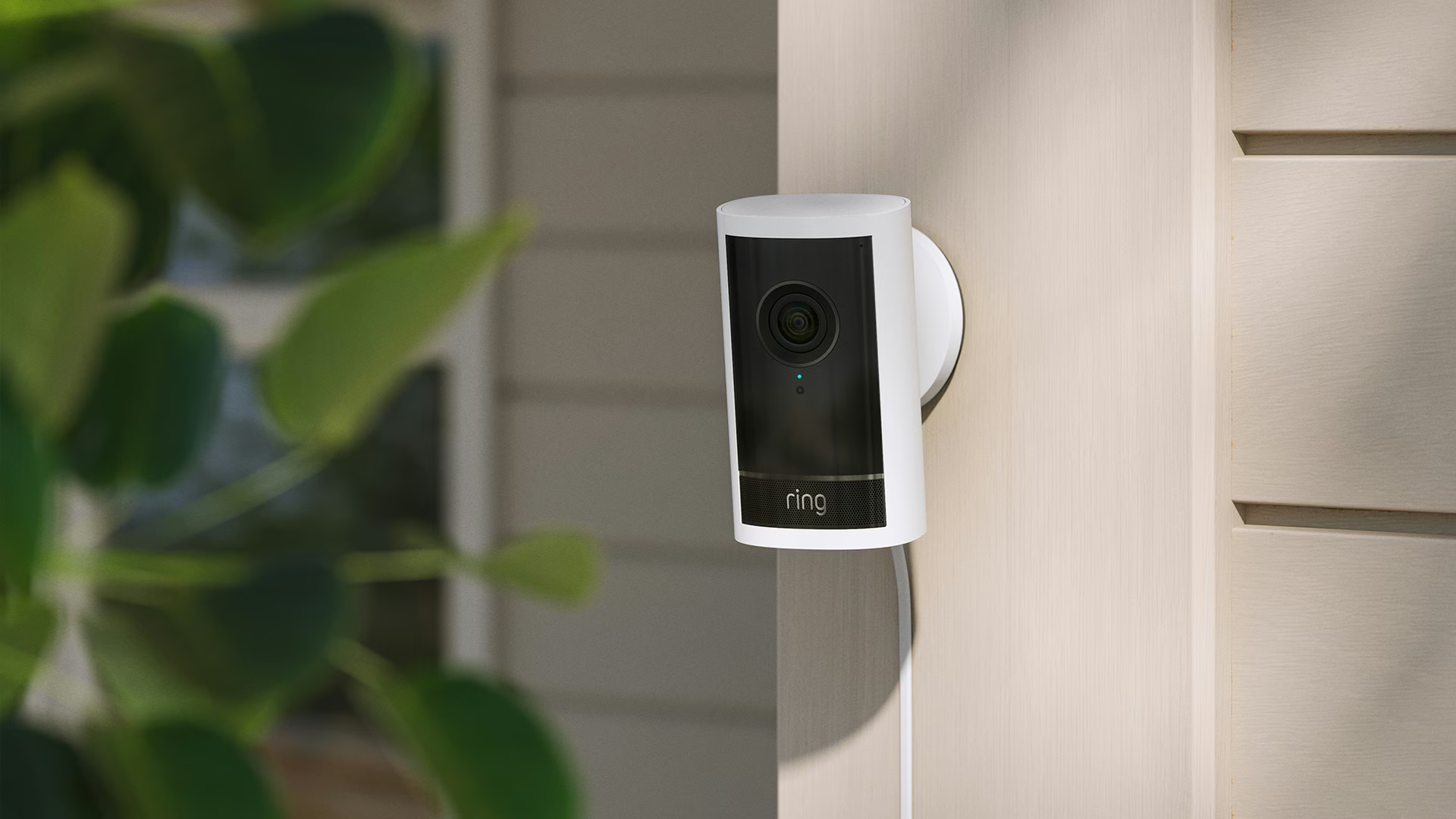
Ring arrived in the UAE with a proven product, global brand equity and a customer understanding problem. Smart home security was not an established category here. There was no shelf to compete on and no existing consideration set to enter. The product answered a question most UAE consumers had not yet asked themselves, which makes everything downstream of the customer research a guess.
The anxiety the global assets had wrong
Ring’s global marketing rested on a burglary-prevention narrative built for suburban North America. In the UAE that framing landed weakly. Perceived crime risk is low, most residents live in apartment buildings with existing security, and a fear-based appeal felt disproportionate to lived experience.
The research surfaced something more relevant. A very large share of UAE residents are expatriates who travel frequently, often leaving a home empty for weeks. Others manage properties remotely, or have domestic staff and deliveries arriving while they are at work.
The real anxiety was not intrusion. It was not knowing what was happening at home while away from it. That reframed the category from security to presence: not protection against a threat, but the ability to see, hear and speak to your home from anywhere. A materially different proposition, and one that matched how people here actually live.
Designing for an unfamiliar purchase
A customer who has never considered a category does not move through a normal funnel. They need to understand what the product is before they can evaluate whether they want it, which changes what every stage of the journey has to do.
Demonstration over explanation. The UAE has among the world’s highest social and video consumption rates, and seeing someone answer their door from a hotel room communicated the product faster than any feature list could. Unfamiliar categories are learned by watching, not by reading specifications.
Creator partnerships chosen for credibility, not reach. The most effective partners were people whose audiences already understood the frequent-travel, multi-country life the product served. Follower counts mattered less than whether the use case was genuinely theirs.
Retail and digital as one journey. A meaningful share of buyers needed to see the product work before committing. In-store demonstration and online research had to reinforce each other rather than run as separate campaigns, because a customer learning a new category crosses between them repeatedly before deciding.
Positioning expressed as recognisable situations. Peace of mind while away, shown through moments the audience identified instantly: the delivery that arrives while you are at the office, checking on the apartment from a trip home, letting someone in without being there.
Turning attention into purchase
Engagement is a leading indicator, not an outcome. The work that converted it sat underneath the creative.
Digital capture connected to the physical sale. Web enquiries and quote requests were routed into CRM for follow-up, demonstrations and showroom appointments, supported by on-ground activation. The handover between a digital enquiry and a physical demonstration is where most new-category launches lose people.
Qualification and stage-based nurture. Enterprise CDP and CRM platforms were integrated with qualification rules and automated nurture tracks, so a buyer who had watched a demonstration three times was not treated identically to one who had seen a single ad. In an unfamiliar category the number of exposures before purchase is high and uneven, and treating everyone as a fresh prospect wastes the learning they have already done.
Voice of customer as a continuous input. Social listening and review analysis ran throughout rather than as a post-campaign report, which is how the proposition was refined after launch instead of defended.
What the results reflect
The 254% engagement lift against benchmark and the 110% increase in web traffic came from relevance rather than spend. People engaged because the scenario in the creative was recognisably their own. The commercial result came from what happened next to the people that relevance attracted.
Translating the global assets into Arabic and adjusting the casting would have been faster and cheaper, and it would have produced a campaign that was technically correct and commercially inert. Global brands entering the Middle East routinely underestimate this. The assets are excellent, the strategy behind them was built for a different consumer, and adaptation at the execution layer cannot repair a mismatch at the insight layer.
The transferable lesson
When a brand enters a market where its category does not yet exist, the work is not awareness building. It is deciding which existing problem in the customer’s life this product solves, and that decision is made before a single asset is produced.
Choose the wrong problem and every subsequent unit of media spend reinforces an idea that does not land. It is a customer research exercise disguised as a launch, and it is consistently the step compressed when timelines tighten.
From zero to category leader.
By anchoring the launch around a real UAE consumer insight,peace of mind while away,we made Ring the brand people cited, shared and recommended.
Ring UAE became a template for how global consumer tech brands can enter the Middle East market with cultural relevance rather than just global assets.