Designing Client Experience as a Growth System
Designed and executed the commercial strategy that delivered consistent 35% YoY revenue growth over six years at a digitally-native agency operating across MEA, the UK, Europe, and Asia.
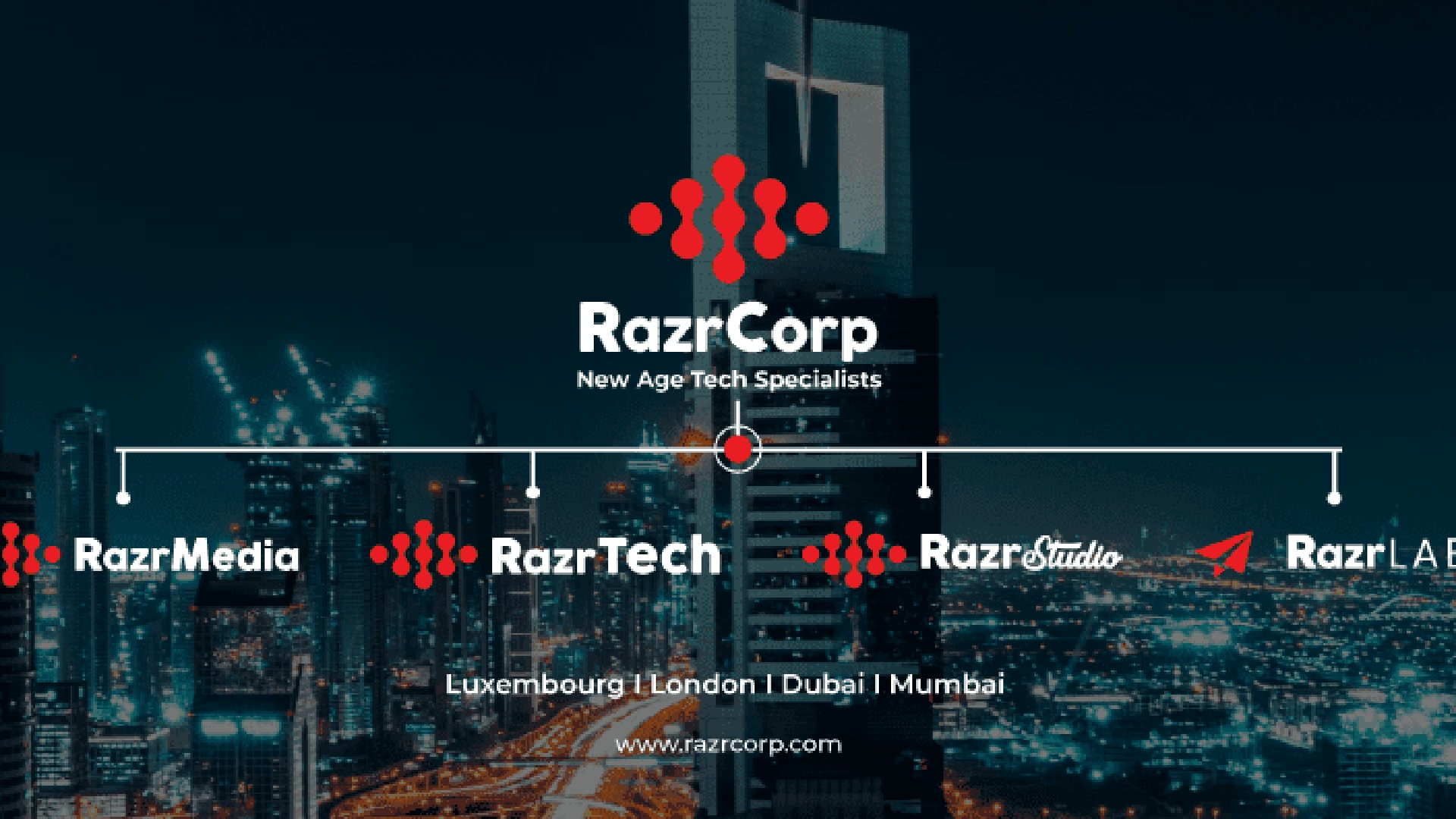
Six years of compounding growth in an agency is a retention story before it is a new-business story. Thirty-five percent year on year, repeated across six years and four offices, cannot come from pitch wins; the arithmetic does not work. It comes from clients staying and spending more, which is a client experience problem rather than a sales one.
The agency had real capability across creative, performance, technology and data, distributed across Dubai, London, Luxembourg and Mumbai. What it lacked was a model in which those capabilities reinforced each other, and a client experience consistent enough to retain enterprise accounts. Disciplines were sold separately, delivered separately and measured separately.
That structure caps growth in a specific way. Service lines compete for the same client budget, project work dominates because nothing compels a longer commitment, and revenue restarts from near zero every year.
Designing the client experience as a system
Retaining and growing 45+ enterprise retainer accounts came from treating client experience as something designed, rather than something senior people are assumed to be naturally good at.
Named account leadership with a review cadence. Every retained account had a senior owner, a scheduled performance review and a KPI dashboard. Churn in agency relationships is rarely caused by a single failure. It is caused by a slow accumulation of unanswered questions about whether the work is doing anything, and a standing review is what prevents that accumulation.
Delivery playbooks and service standards across four offices. Teams in Dubai, London, Luxembourg and Mumbai worked to the same quality standards and service levels. Without that, a client’s experience depended on which office happened to be staffing their account, which is the fastest way to turn a multi-country footprint into a liability instead of an advantage.
Accountability for outcomes rather than deliverables. The shift from project to retained revenue was not a pricing change. It required restructuring around ongoing responsibility for client results, which changed how teams were staffed and how work was scoped. Clients renew when someone owns the outcome, not when the deliverables arrive on time.
Customer journey work as the standing method
The same discipline applied inside client work was what made the results defensible at renewal.
Funnel analysis as the default starting point. Across client engagements, analysing drop-off and redesigning search, landing pages and enquiry forms around customer intent improved conversion rates by 46% and budget efficiency by 48%, with campaigns averaging 28% higher click-through. The method travelled across sectors because the underlying problem usually did: the journey had been designed around the organisation’s structure rather than the customer’s sequence.
Real estate and destinations as a distinct practice. Buyer lead generation across all Ellington Properties projects, marketing and automation integration for DAMAC’s Trump International Golf Club, and facilities management automation and ERP integration for Emaar at The Dubai Mall. Every client KPI was met or exceeded.
What made the growth structural
Marketing and technology sold as one thing. Enterprise clients were not buying campaigns and platforms separately. They were trying to make marketing investment perform, which required both. Positioning at that intersection removed a category of competitor entirely, because most firms credibly offered one side or the other.
Multi-country as a capability rather than an overhead. Four offices across three regions is expensive unless the structure is doing something for clients. Built correctly it meant follow-the-sun delivery, genuine market knowledge in each region, and the ability to serve enterprise clients across MEA and Europe without handing off to partners.
Specialists over generalists. A 45+ person team built around deep specialism rather than broad account management. More expensive per head, and the reason the work commanded retainer pricing instead of competing on rate.
Referral as a channel. In the UAE and GCC enterprise market, reputation moves between decision-makers who know each other. Consistent delivery generated warm pipeline at effectively zero acquisition cost, which is the clearest commercial proof that the client experience was working.
The transferable lesson
Growth targets get assigned to sales teams and retention gets assigned to nobody. In a recurring-revenue business that allocation is backwards, because every year of growth starts from whatever the previous year retained.
The experience a client has between renewals is therefore the growth engine, not a service-quality concern sitting downstream of it. Treating it as designed infrastructure, with named owners, review cadences and measurement, is what makes growth compound instead of reset.
Sustained growth, year after year.
By treating marketing and technology as inseparable, we positioned RazrCorp as the agency of choice for enterprise clients who needed both creative excellence and measurable returns.
The lesson: agencies that make marketing and technology work together as revenue infrastructure always outperform those that treat them as separate disciplines.