Building a brand in Dubai is not the same as building a brand in London, New York, or Singapore ; even though many of the strategic principles are universal. Dubai is a city of extreme contrast: a market that is simultaneously one of the most internationally sophisticated in the world and one of the most relationship-driven. A brand that performs brilliantly in a European context can land flat here, and a brand built specifically for the UAE can struggle to scale beyond the region. Getting it right requires understanding both the fundamentals of brand strategy and the specific context of this market.
This guide covers the practical steps for building a brand in Dubai, based on 20+ years of brand strategy work across the UAE and MENA region.
Step 1: Define what your brand is actually for
Before you think about logos, colours, or a tagline, you need to answer a more fundamental question: what business problem does your brand need to solve?
A brand exists to make a business easier to sell, easier to charge a premium for, easier to grow, and easier to defend against competition. If your brand does not do at least one of these things measurably better than a generic unnamed version of your business, you do not have a brand ; you have a name and a logo.
In Dubai specifically, brands often need to solve a trust problem. The market is highly transactional and relationship-driven; many purchase decisions, particularly in B2B and professional services, hinge on the credibility and track record the brand communicates before the relationship even starts. Define what trust signal your brand needs to send, and to whom, before you brief any designer or agency.
Step 2: Know your category and your competitors
Brand positioning is always relative. You do not position yourself in a vacuum; you position yourself relative to your competitors and relative to the established mental shortcuts buyers already have in your category.
In the Dubai market, this step often reveals an uncomfortable truth: most categories are more crowded than founders assume, and most brands in a given category are saying the same things. “Quality,” “trust,” “innovation,” and “excellence” appear on approximately every business card in the region and differentiate nothing.
Map your competitive landscape properly: list your top five to eight competitors, identify what positioning each is claiming, and find the space that is either unclaimed or underdeveloped. The goal is not to be better ; it is to be different in a way that matters to your target buyer.
Step 3: Define your target audience precisely
Dubai’s demographic complexity is both an opportunity and a trap. The city is home to over 200 nationalities, with radically different cultural contexts, buying behaviours, language preferences, and trust signals. A brand that tries to speak to everyone simultaneously speaks clearly to no one.
Segment your audience by the behaviour that matters most ; how they make purchase decisions ; not just demographics. An Emirati family business owner deciding on a professional services firm is making that decision very differently from an international FMCG director at a multinational. The brand signals that work for one will often not work for the other.
In practice, most strong brands in Dubai have one primary audience they speak to clearly, and secondary audiences who benefit from the halo effect of that primary positioning. Start with the primary audience and resist the pressure to dilute the positioning to chase a broader market.
Step 4: Establish your positioning and messaging
Positioning is a single clear idea: what you are, for whom, and why that matters more than the alternatives. It should be specific enough that your competitor cannot credibly claim it, and meaningful enough that your target audience actually cares about it.
A positioning statement is not your tagline and it is not customer-facing copy ; it is the internal strategic anchor that all your marketing decisions flow from. Once it is clear, writing the customer-facing messaging is straightforward. Without it, every piece of copy and every campaign brief becomes a negotiation about what the brand actually stands for.
In Dubai, Arabic-language positioning deserves specific attention even for international brands. The linguistic and cultural nuances of Arabic are significant enough that a positioning that works perfectly in English can carry entirely different connotations in Arabic. If your audience includes Arabic speakers, your positioning should be stress-tested in both languages before you commit.
Step 5: Build the visual and verbal identity
Only now ; after positioning, audience, and messaging are defined ; should you brief a designer. The visual identity should be a translation of the strategy into visual form, not the other way around. A logo created before the positioning is defined often has to be rebuilt once the strategy becomes clear, at significant cost and delay.
In Dubai, brand identity needs to perform across a specific set of contexts: Arabic and English versions of all assets, right-to-left and left-to-right layouts, print collateral for relationship-heavy sectors, digital formats for social and performance channels, and sometimes physical brand environments (retail, hospitality, events). Brief your designer on all of these contexts from the start.
Step 6: Plan and execute the launch
A brand launch in Dubai typically needs to cover two distinct audiences simultaneously: the trade and B2B audience (distributors, partners, press, industry contacts) and the consumer or end-buyer audience. These two groups are often reached through entirely different channels, at different times, and with different messages.
The relationship element of the UAE market means that personal outreach ; direct meetings, events, and warm introductions ; often matters more at launch than digital advertising. A brand that launches loudly on social media without having first built the key relationships it needs can find itself with awareness but no traction.
Digital presence at launch should cover at minimum: a website that functions as a credibility signal (not just a brochure), Arabic and English social profiles on the relevant platforms for your category, and a search presence for the brand name and its primary category keywords.
How much does it cost to build a brand in Dubai?
Brand building costs in Dubai span an enormous range:
Strategy only (positioning, messaging, audience definition): AED 40,000 to AED 150,000 with an individual consultant; AED 100,000 to AED 400,000 with a strategy-focused agency.
Visual identity (logo, brand guidelines, core assets): AED 15,000 to AED 60,000 with a freelance designer or boutique design studio; AED 60,000 to AED 250,000 with a full-service branding agency.
Full brand build (strategy + identity + website + launch support): AED 150,000 to AED 600,000 for a mid-market business working with a quality partner; AED 600,000 to AED 2,000,000+ for an enterprise brand build through a global agency.
These are not prices for cheap work. Cutting corners on brand strategy to save AED 30,000 upfront typically costs many times that figure in rework, repositioning, and missed market opportunities over the following two to three years.
How long does brand building take?
A complete brand strategy and identity process, done properly, takes three to six months from initial brief to approved brand guidelines. Rushing the strategy phase is the most common and most costly mistake ; it results in a visual identity that does not hold up under scrutiny, or a positioning that sounds right in a workshop but fails when tested against real customers.
Brand building that actually changes how your business performs in the market ; shifting perception, improving conversion, enabling price premium ; typically takes 12 to 24 months of consistent application after the brand is launched. The strategy and identity are inputs; the brand itself is built through consistent, sustained communication over time.
FAQ: Building a Brand in Dubai
Do I need a brand strategist or a brand designer?
You need both, in that order. A brand strategist defines the positioning, audience, and messaging. A brand designer translates that into visual and verbal identity. Starting with a designer before you have a strategy is like designing a building before deciding whether it will be a house or a hotel.
How important is Arabic branding in Dubai?
For businesses targeting Emirati, Arab, or Muslim-majority audiences, Arabic branding is essential ; not just translation, but culturally appropriate adaptation. For businesses whose primary audience is the international expat community, Arabic is still important for regulatory, signage, and official communications. Assess your audience first, then decide on the Arabic investment level.
Can I build a brand in Dubai without a local market expert?
You can attempt it, but the failure rate is high. The UAE market has specific cultural codes, relationship dynamics, and category conventions that are genuinely different from Western markets. International brands that have tried to transplant strategies directly from European or US playbooks frequently need to reposition within two years of entering the UAE market.
What is the most important thing to get right when building a brand in Dubai?
Positioning. Everything else ; the logo, the campaign, the social presence, the events ; is downstream of whether you have a clear and differentiated answer to the question: why should your target customer choose you over everything else available to them?
Further reading
For context on why brand strategy comes first: Why Every Brand Needs a Story Before a Strategy. Once you have a brand strategy, Brand Building ROI in the UAE covers how to measure whether it is working. If you need outside help: How to Choose a Brand Strategist in Dubai.
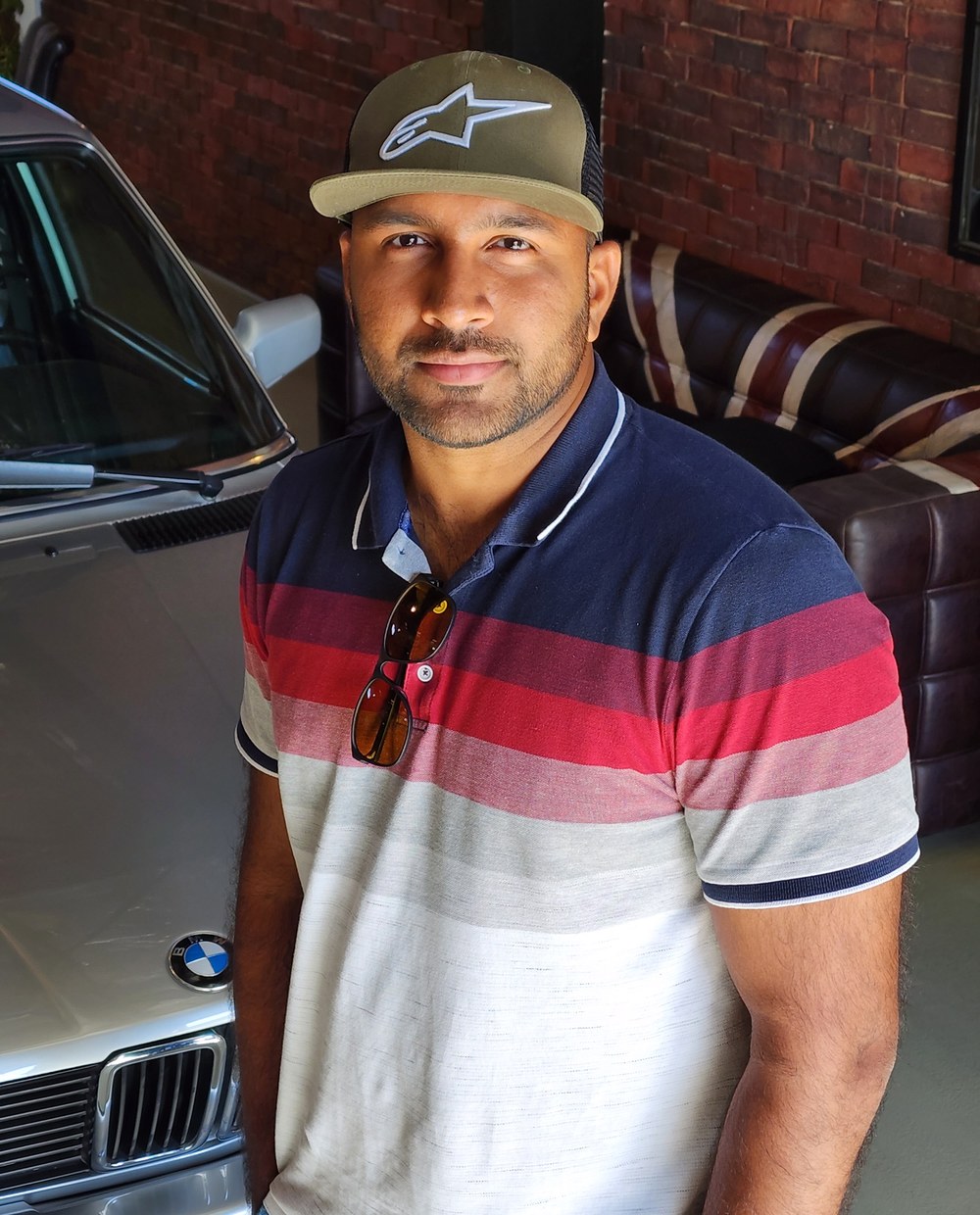
Martin Alva
Brand Strategist & AI Adoption Consultant, Dubai UAE
Senior Manager at Space42 (A G42 & Mubadala Company). 20+ years of brand strategy, digital transformation, and AI adoption across MENA and Europe. 5 MENA Effie Awards. 500+ campaigns across the region.
Connect on LinkedIn →
Martin Alva
Brand & Marketing Strategist
Two decades across brand, marketing and technology, from automotive journalism in Mumbai to marketing leadership across Dubai and Abu Dhabi, and AI-led digital transformation today.